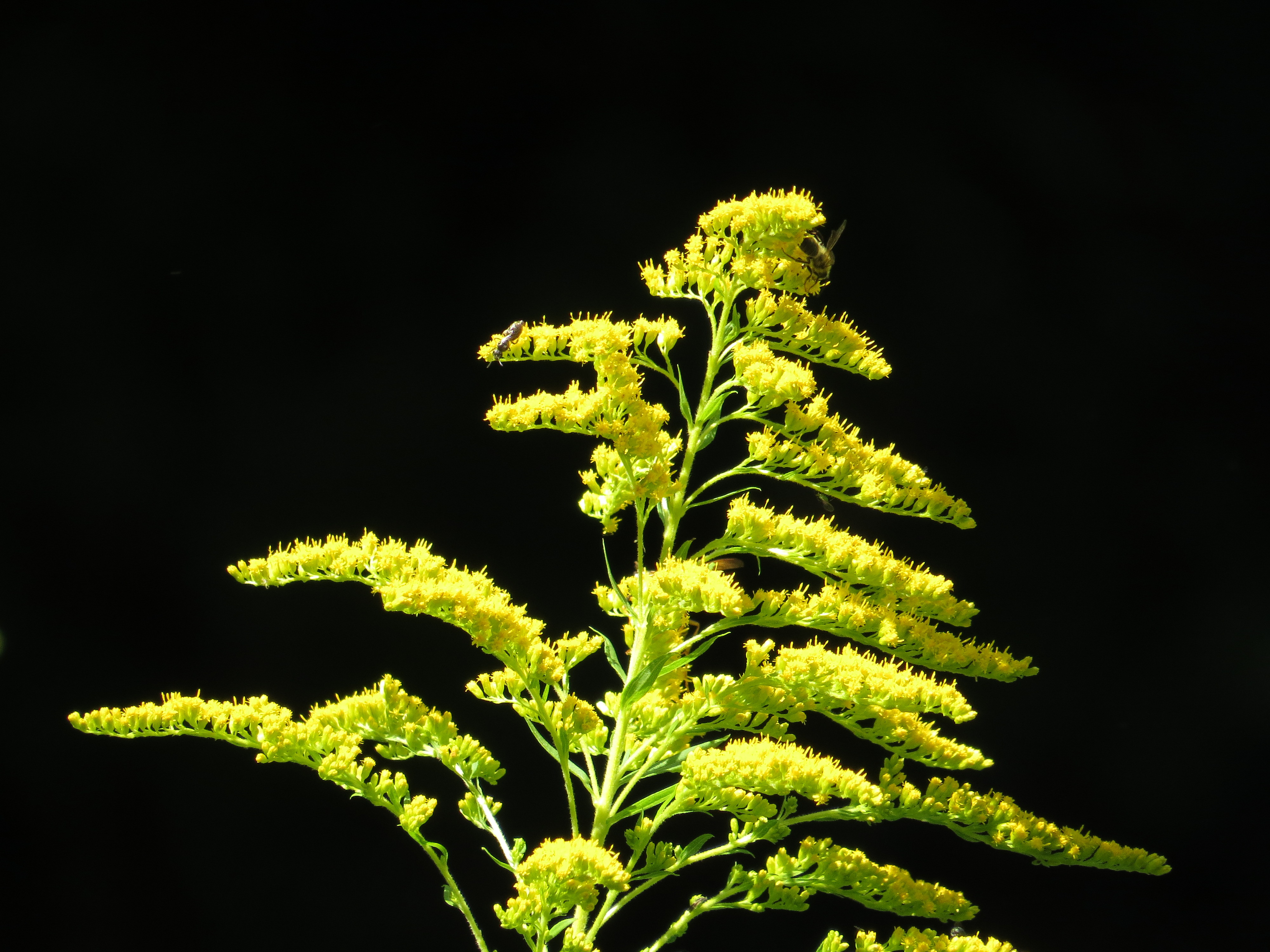
Goldenrods (species in the genus Solidago) appear to be indigenous on at least three continents, North and South America, and Eurasia, and perhaps a fourth, northern Africa. John Semple at the University of Waterloo has a map of this worldwide distribution on his website: https://uwaterloo.ca/astereae-lab/research/goldenrods.
There is one widespread indigenous species in Eurasia, S. virgaurea, though it is so widespread and has so much recognized variation that there could well be multiple species. There are also a half dozen indigenous species in far eastern Asia.
There is no universal agreement among botanists about how many species of goldenrod exist in North America, but they all agree that there are a lot of them. While you might think they all look alike (and many do), there are some surprising differences among all these species, and I hope to explore some of these differences in future posts.
Let’s look at something seemingly simple: where do they grow? The Natural Resources Conservation Service of the United Stated Department of Agriculture (USDA) maintains a database on plants in the United States and Canada. For each species that they recognize, they have a map of where it grows.
So let’s look at goldenrods. I’m using the common and species names from the USDA.
For each species, you might have to scroll down a bit for the map. But then, you can play with the scale bar and zoom in on each state. When you zoom in, many of the maps show the occurrence of the species in each county. Some of the county distributions are quite surprising.
What you will see in these maps is the result of considerable speciation and adaptation among goldenrods. Some are widespread generalists, some narrow specialists. Specialization might include temperature, soil moisture, soil type, shade tolerance, elevation, latitude, proximity to the coast, or some combination of these. We will explore some of these specializations in future posts.
Back in 2021, I pasted all these links to maps into this post. Now, the links don’t seem to work, even though at least some of the maps still exist. If you want to find a map, try searching for the formal name of the species. I’m sorry that the easy path to the maps has broken.
Atlantic to Pacific: these species stretch all the way across the continent (sometimes just barely).
Canada goldenrod, S. canadensis: https://plants.usda.gov/core/profile?symbol=SOCA6
Giant goldenrod, S. gigantea: https://plants.usda.gov/core/profile?symbol=SOGI
Gray goldenrod, S. nemoralis: https://plants.usda.gov/core/profile?symbol=SONE
Missouri goldenrod, S. missouriensis: https://plants.usda.gov/core/profile?symbol=SOMI2
Tall goldenrod, S. altissima: https://plants.usda.gov/core/profile?symbol=soal6
Mt. Albert goldenrod, S. simplex: https://plants.usda.gov/core/profile?symbol=SOSI3
Rocky Mt. goldenrod, S. multiradiata: https://plants.usda.gov/core/profile?symbol=SOMU (this species prefers high latitudes or high mountains)
East to West: I have arranged these species roughly geographically across the continent.
Limestone goldenrod, S. calcicola: https://plants.usda.gov/core/profile?symbol=SOCA9
Cutler’s alpine goldenrod, S. cutleri: https://plants.usda.gov/core/profile?symbol=SOCU2
Largeleaf goldenrod, S. macrophylla: https://plants.usda.gov/core/profile?symbol=SOMA4
Stout goldenrod, S. squarrosa: https://plants.usda.gov/core/profile?symbol=SOSQ
Downy goldenrod, S. puberula: https://plants.usda.gov/core/profile?symbol=SOPU
Seaside goldenrod, S. sempervirens: https://plants.usda.gov/core/profile?symbol=SOSE (this species lives on shorelines, freshwater or marine)
Wreath goldenrod, S. caesia: https://plants.usda.gov/core/profile?symbol=SOCA4
Wrinkleleaf goldenrod, S. rugosa: https://plants.usda.gov/core/profile?symbol=SORU2
Zigzag goldenrod, S. flexicaulis: https://plants.usda.gov/core/profile?symbol=SOFL2
Bog goldenrod, S. uliginosa: https://plants.usda.gov/core/profile?symbol=SOUL
White goldenrod, S. bicolor: https://plants.usda.gov/core/profile?symbol=SOBI
(also called silverrod)
Early goldenrod, S. juncea: https://plants.usda.gov/core/profile?symbol=SOJU
Hairy goldenrod, S. hispida: https://plants.usda.gov/core/profile?symbol=SOHI
Atlantic goldenrod, S. arguta: https://plants.usda.gov/core/profile?symbol=SOAR
Elmleaf goldenrod, S. ulmifolia: https://plants.usda.gov/core/profile?symbol=SOUL2
Roundleaf goldenrod, S. patula: https://plants.usda.gov/core/profile?symbol=SOPA2
Anisescented goldenrod, S. odora: https://plants.usda.gov/core/profile?symbol=SOOD
Downy ragged goldenrod, S. petiolaris: https://plants.usda.gov/core/profile?symbol=SOPE
Western rough goldenrod, S. radula: https://plants.usda.gov/core/profile?symbol=SORA
Showy goldenrod, S. speciosa: https://plants.usda.gov/core/profile?symbol=SOSP2
Velvety goldenrod, S. mollis: https://plants.usda.gov/core/profile?symbol=SOMO
Baby goldenrod, S. nana: https://plants.usda.gov/core/profile?symbol=SONA
Threenerve goldenrod, S. velutina: https://plants.usda.gov/core/profile?symbol=SOVE6
Nevada goldenrod, S. spectabilis: https://plants.usda.gov/core/profile?symbol=SOSP3
Goldenrods with smaller ranges (some have long common names), again arranged roughly from eastern to western North America
Showy goldenrod, S. erecta: https://plants.usda.gov/core/profile?symbol=SOER
Rock goldenrod, S. rupestris: https://plants.usda.gov/core/profile?symbol=SORU3
Mountain decumbent goldenrod, S. curtisii: https://plants.usda.gov/core/profile?symbol=SOCU
Roan mountain goldenrod, S. roanensis: https://plants.usda.gov/core/profile?symbol=SORO2
Shadowy goldenrod, S. sciaphila: https://plants.usda.gov/core/profile?symbol=SOSC
Wand goldenrod, S. stricta: https://plants.usda.gov/core/profile?symbol=SOST
Twistleaf goldenrod, S. tortifolia: https://plants.usda.gov/core/profile?symbol=SOTO2
Pine barren goldenrod, S. fistulosa: https://plants.usda.gov/core/profile?symbol=SOFI
Elliott’s goldenrod, S. latissimifolia: https://plants.usda.gov/core/profile?symbol=SOLA4
Dixie goldenrod, S. brachyphylla: https://plants.usda.gov/core/profile?symbol=SOBR
Leavenworth’s goldenrod, S. leavenworthii: https://plants.usda.gov/core/profile?symbol=SOLE5
Gorge goldenrod, S. faucibus: https://plants.usda.gov/core/profile?symbol=SOFA
Lance-leaf goldenrod, S. lancifolia: https://plants.usda.gov/core/profile?symbol=SOLA6
Clustered goldenrod, S. glomerata: https://plants.usda.gov/core/profile?symbol=SOGL2
Whitehair goldenrod, S. albopilosa: https://plants.usda.gov/core/profile?symbol=SOAL3
Short’s goldenrod, S. shortii: https://plants.usda.gov/core/profile?symbol=SOSH
Sand goldenrod, S. arenicola: https://plants.usda.gov/core/profile?symbol=SOAR4
Springflowering goldenrod, S verna: https://plants.usda.gov/core/profile?symbol=SOVE2
Plumed goldenrod, S. plumosa: https://plants.usda.gov/core/profile?symbol=SOPL
Hairy-seed goldenrod, S. villosicarpa: https://plants.usda.gov/core/profile?symbol=SOVI10
Carolina goldenrod, S. pulchra: https://plants.usda.gov/core/profile?symbol=SOPU3
Small’s goldenrod, S. pinetorum: https://plants.usda.gov/core/profile?symbol=SOPI
Ouachita mountain goldenrod, S. ouachitensis: https://plants.usda.gov/core/profile?symbol=SOOU
Gattinger’s goldenrod, S. gattingeri: https://plants.usda.gov/core/profile?symbol=SOGA
Louisiana goldenrod, S. ludoviciana: https://plants.usda.gov/core/profile?symbol=SOLU
High plains goldenrod, S. altiplanites: https://plants.usda.gov/core/profile?symbol=SOAL5
Julia’s goldenrod, S. juliae: https://plants.usda.gov/core/profile?symbol=SOJU2
Wright’s goldenrod, S. wrightii: https://plants.usda.gov/core/profile?symbol=SOWR
Guirado goldenrod, S. guiradonis: https://plants.usda.gov/core/profile?symbol=SOGU

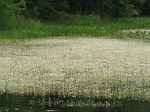
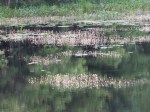
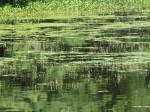
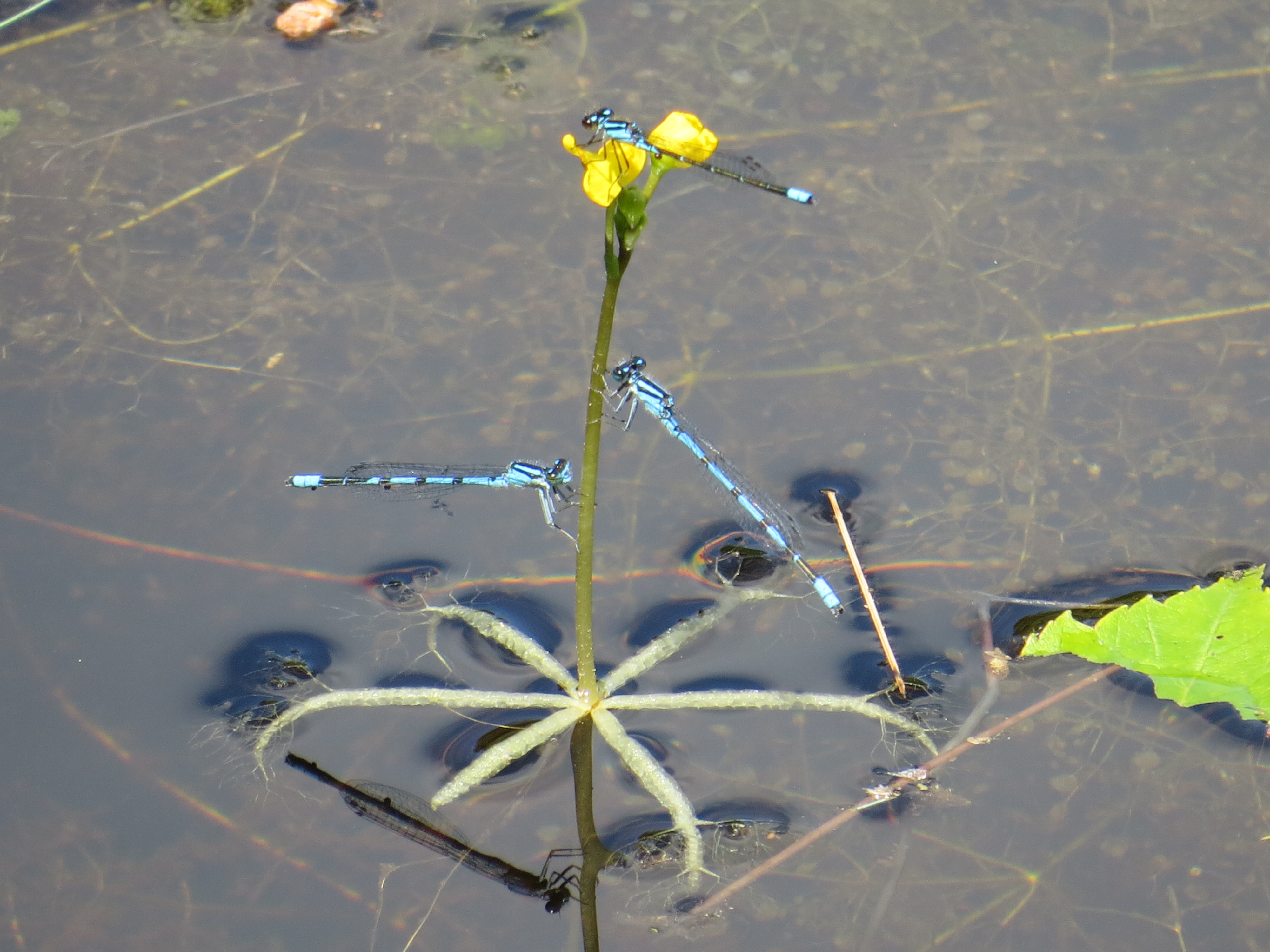 Utricularia has been in the pond for years, but I didn’t notice it until 2016, when it was superabundant. There are multiple species in the genus, and I’m not sure which one(s) constituted the near carpet on the pond back then. At least some of them were Utricularia inflata, but most were probably something else.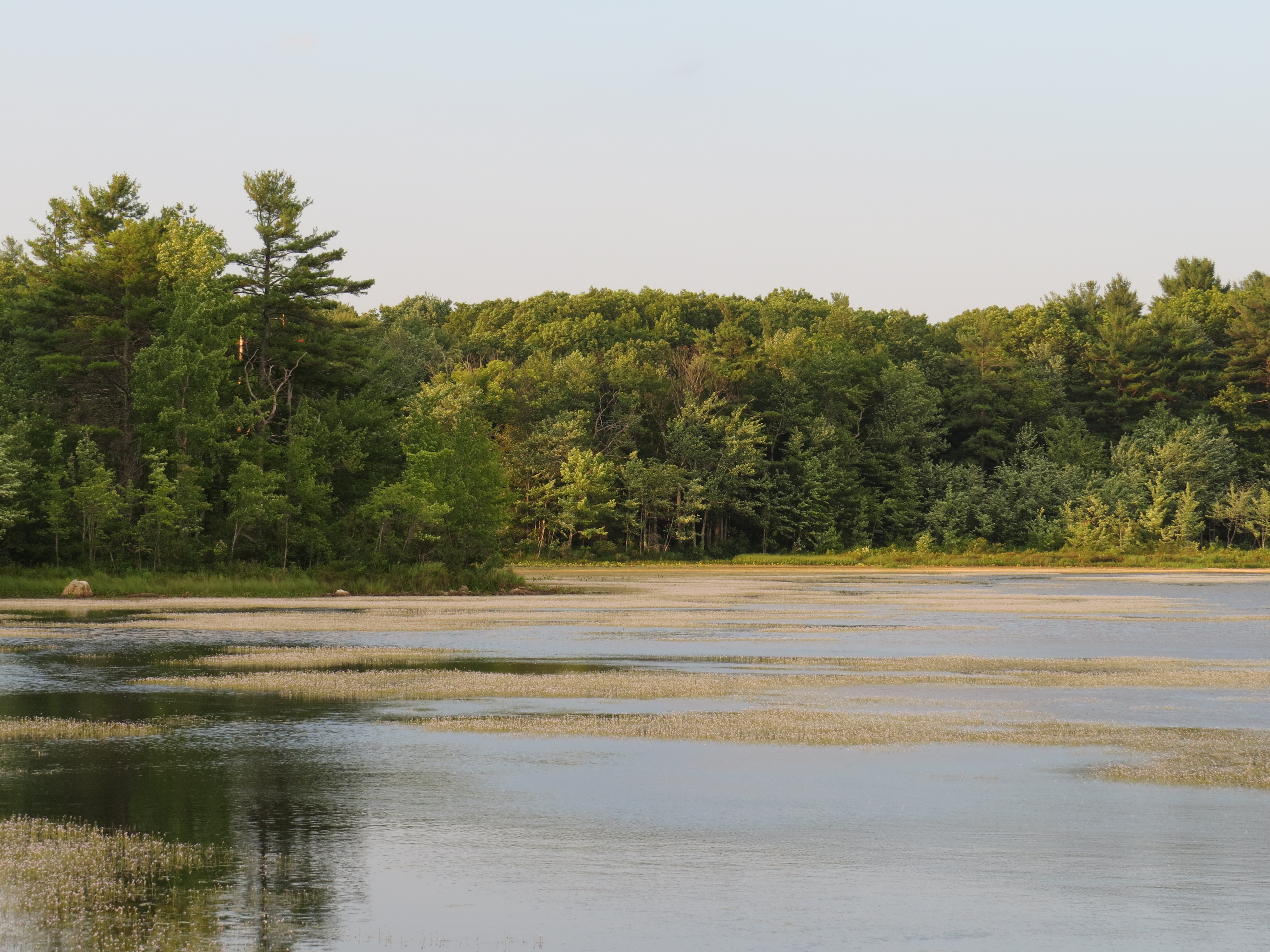


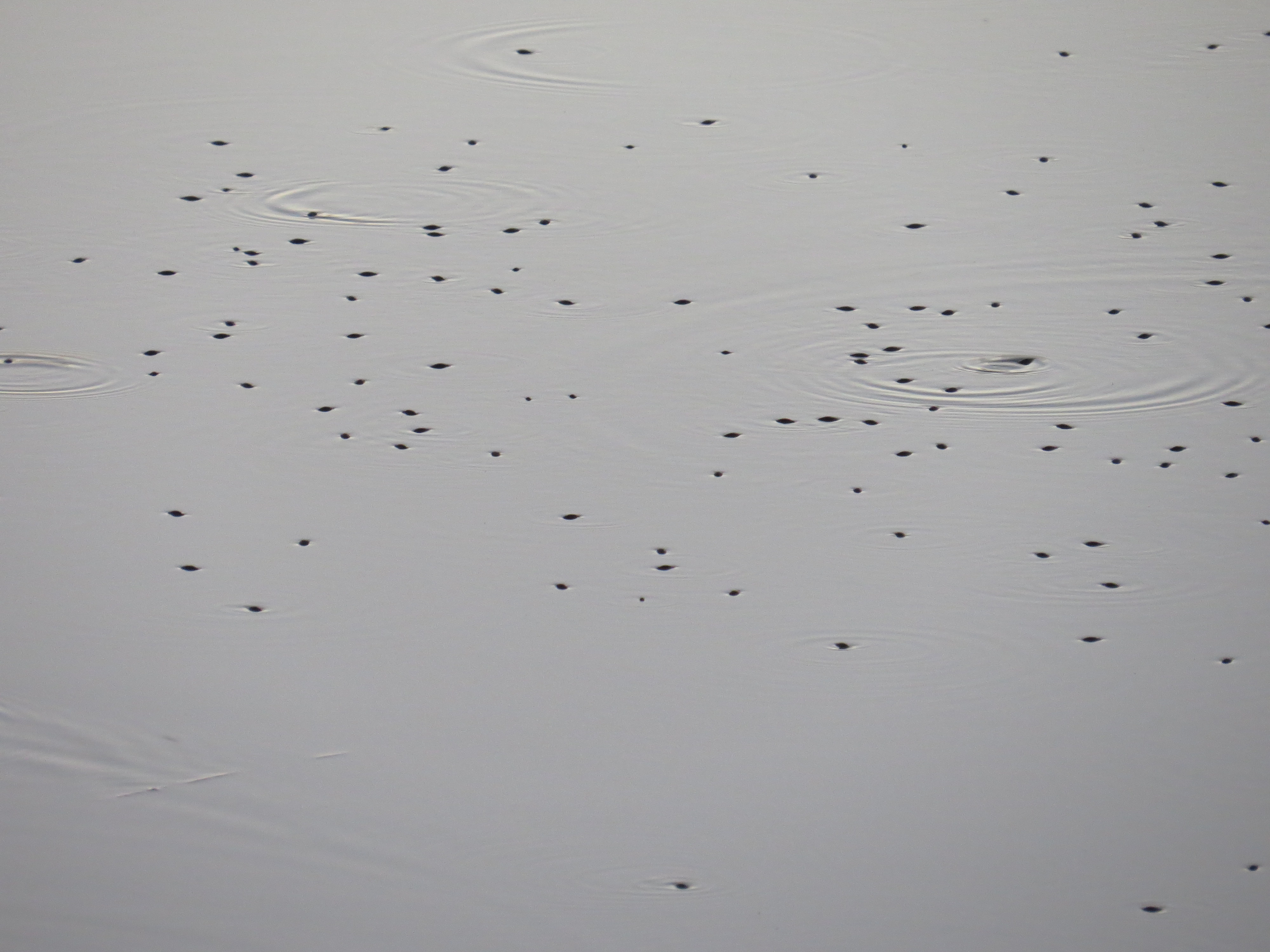 In their realm, they are dark, fast and unpredictable. Sometimes they make ripples, sometimes they don’t. Sometimes they are alone, other times in groups or queues. The family name is Gyrinidae, and they do gyrate. And then they immediately do something else.


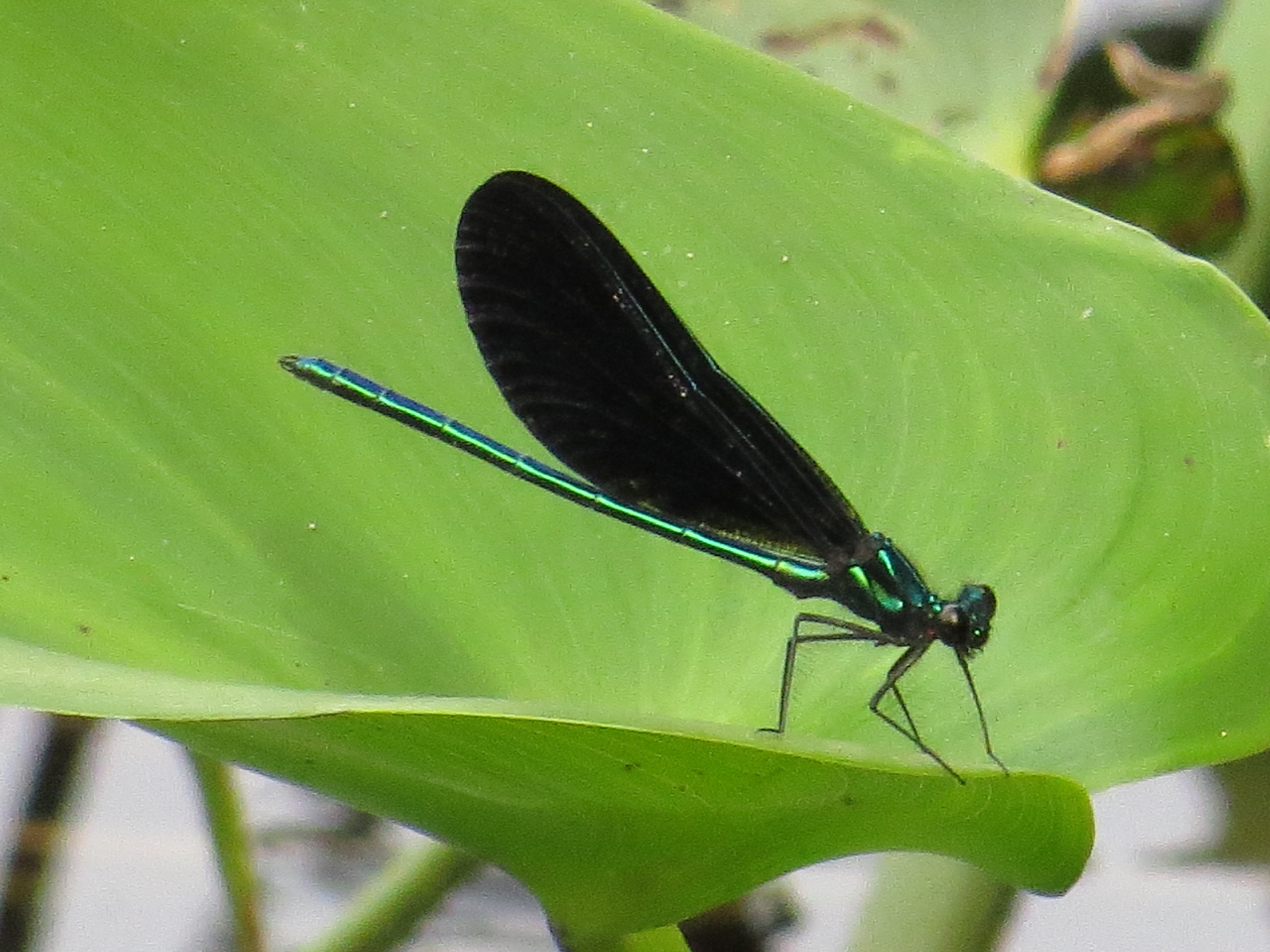
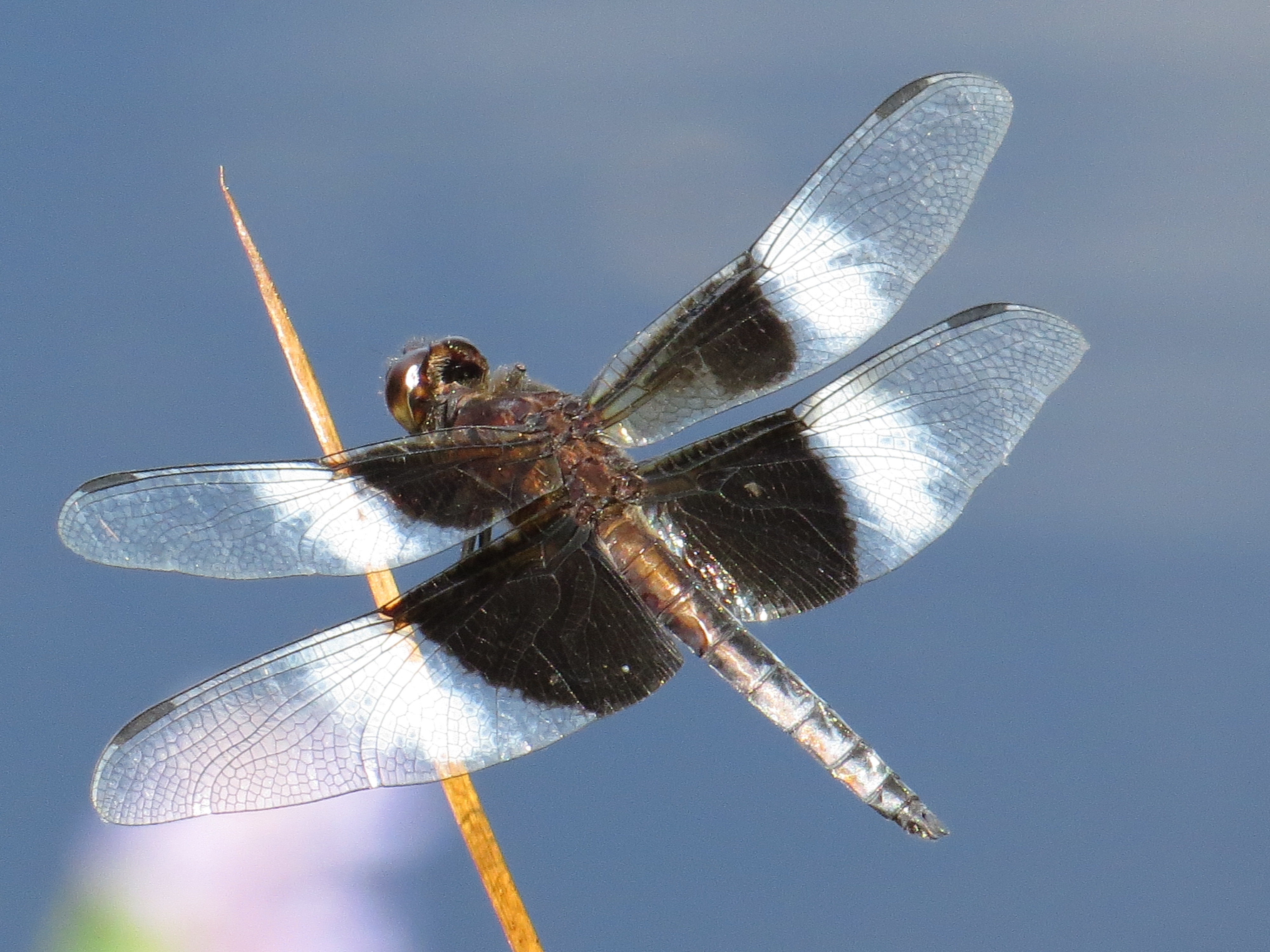
 The eggs hatch in ponds or streams and the nymphs are serious predators, even those of delicate damselflies. Most have one generation a year, staying safely in the water in winter. At the right time and the right size, they crawl out of the water and transform, in a single molt, to winged jewels.


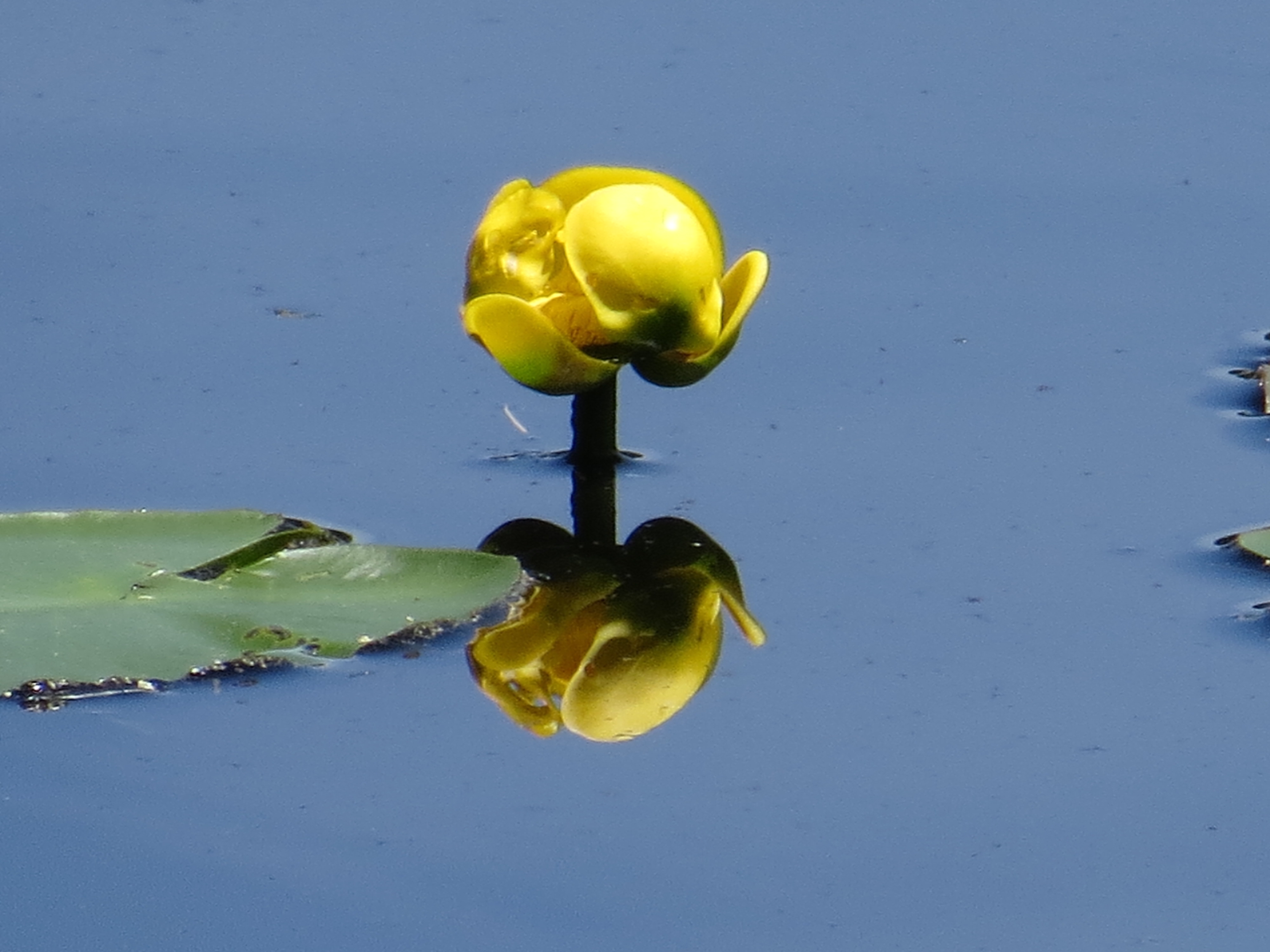 Every year, there are yellow globes just above the surface of the pond. Flowers. There are at least two kinds of lily pads in the pond, and this one blooms first. There were not many of them in past years, but they are more abundant this spring than before.
 After several years of being conspicuous but sparse, Nuphar is increasing in the pond. I have no idea why. Perhaps the pond is a bit shallower every year, filling up with sediment from upstream, and finally, that is favoring them. I doubt that they like the warmer weather because they are found up to northern Canada but don’t make it south beyond Maryland. Maybe it just takes them a while to get established.
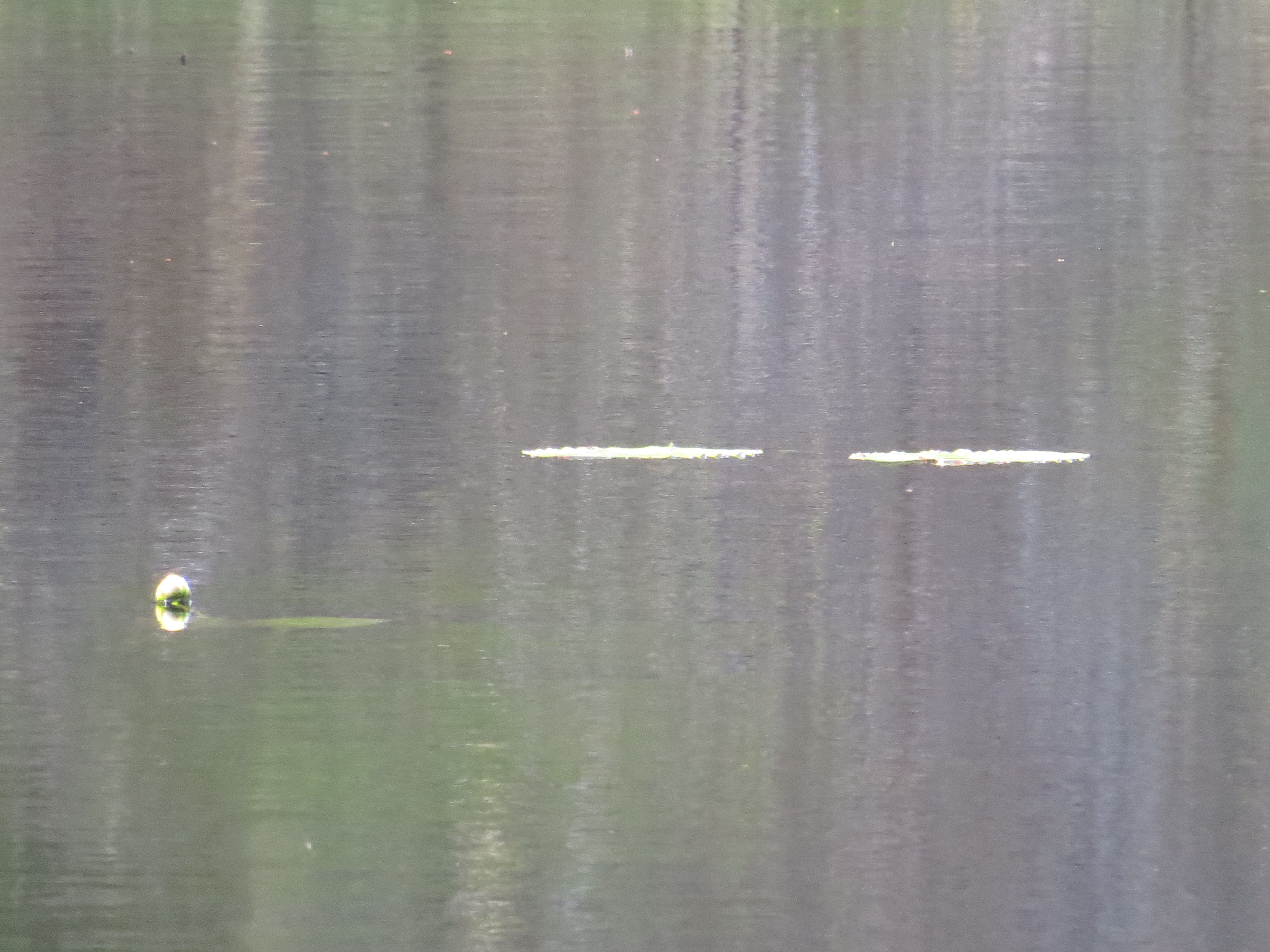 They don’t have to reach up far, but reach up they do, to greet the light.
 They all send flowers into the air, beautiful flowers coveted by botanical gardens for their pond displays. Brilliant colors rising out of the muck. The metaphors are endless. And insects covet the flowers up there above the water. The insects pollinate the flowers. Adaptation.
 Owen Sholes